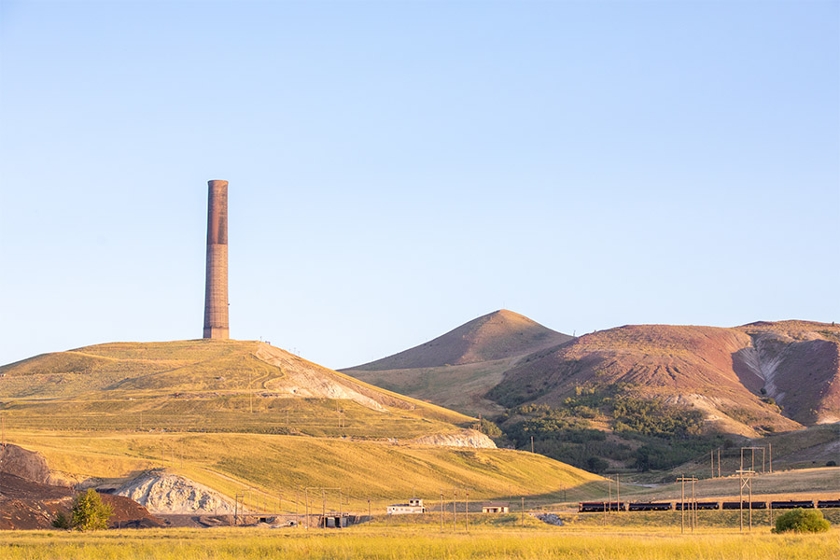
See one of the tallest free-standing brick structures in the world, a legacy of the legendary Anaconda Copper Company.
About the Park
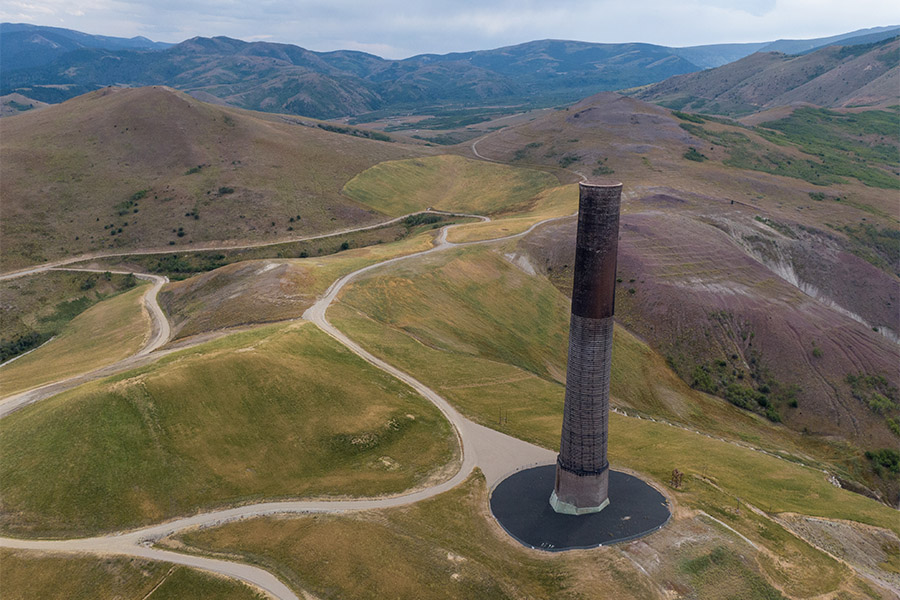
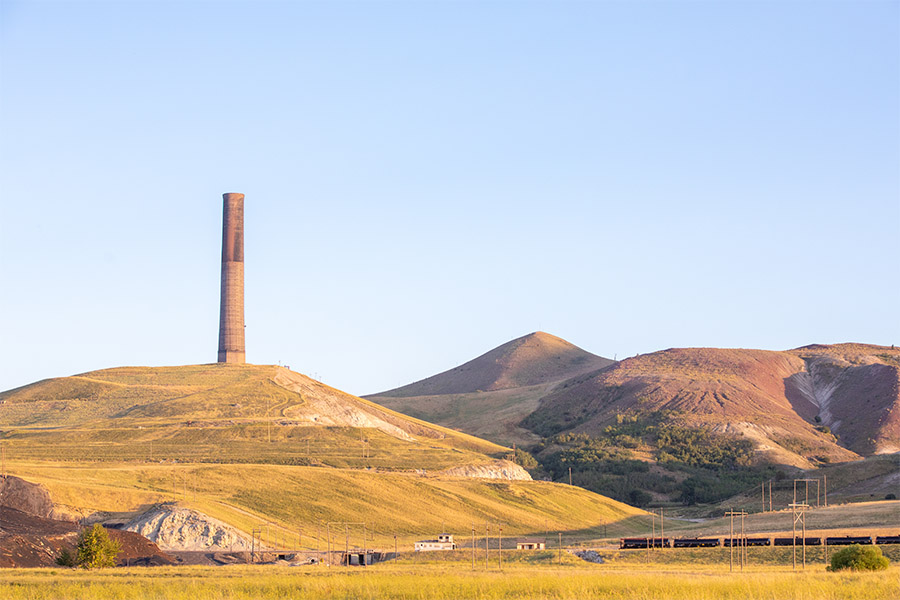
The old Anaconda Copper Company smelter stack, completed in 1919, is one of the tallest free-standing brick structures in the world at 585 feet. The inside diameter is 75 feet at the bottom, tapering to 60 feet at the top. In comparison, the Washington Monument is 555 feet tall.
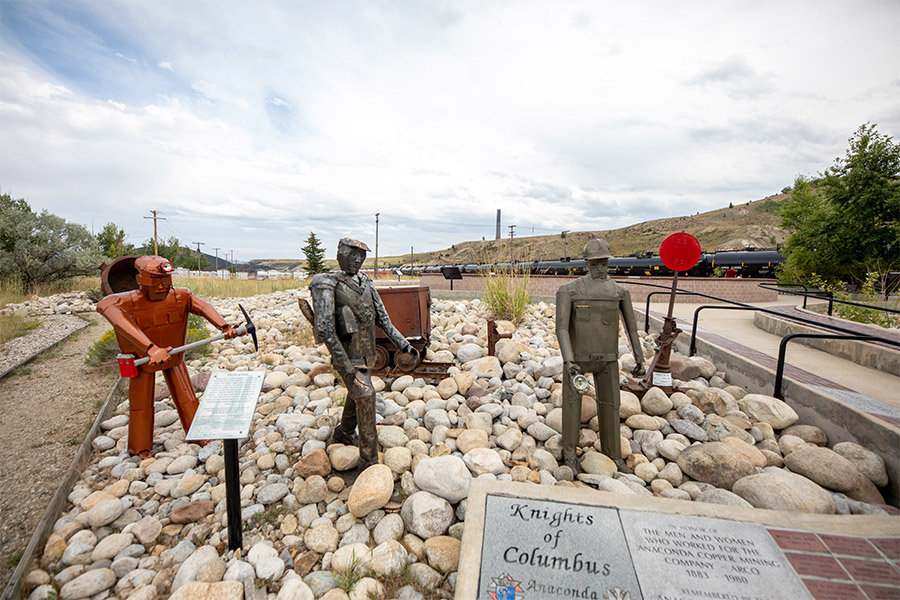
The stack dominates the landscape like the company once dominated the area's economic life. Since the smelter closed in 1980, the stack has become a symbol of the challenges that face communities dependent on finite resources.
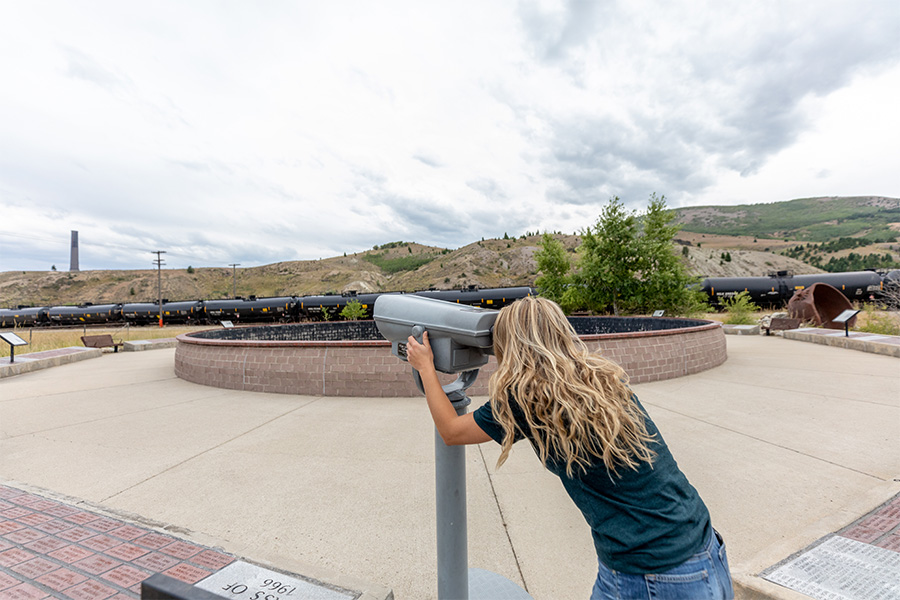
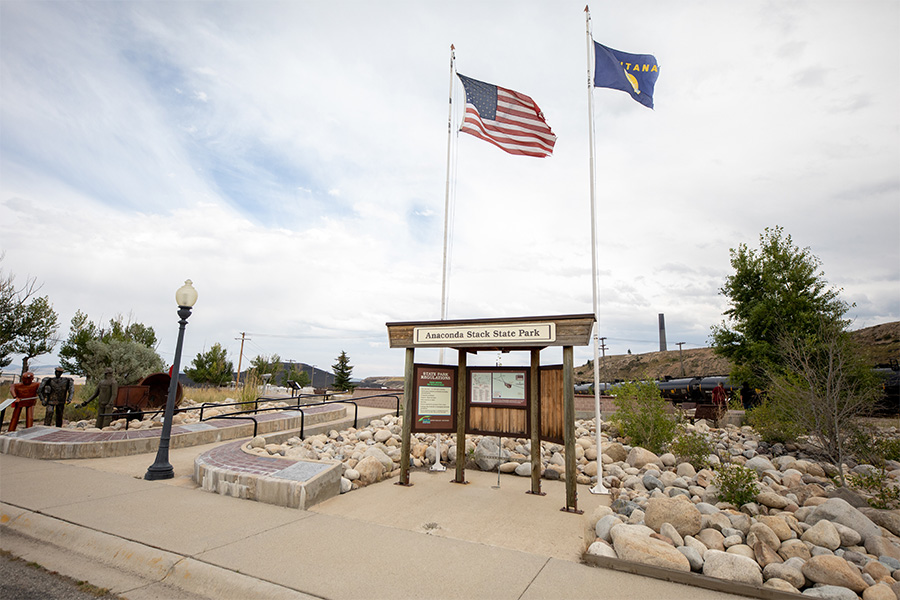
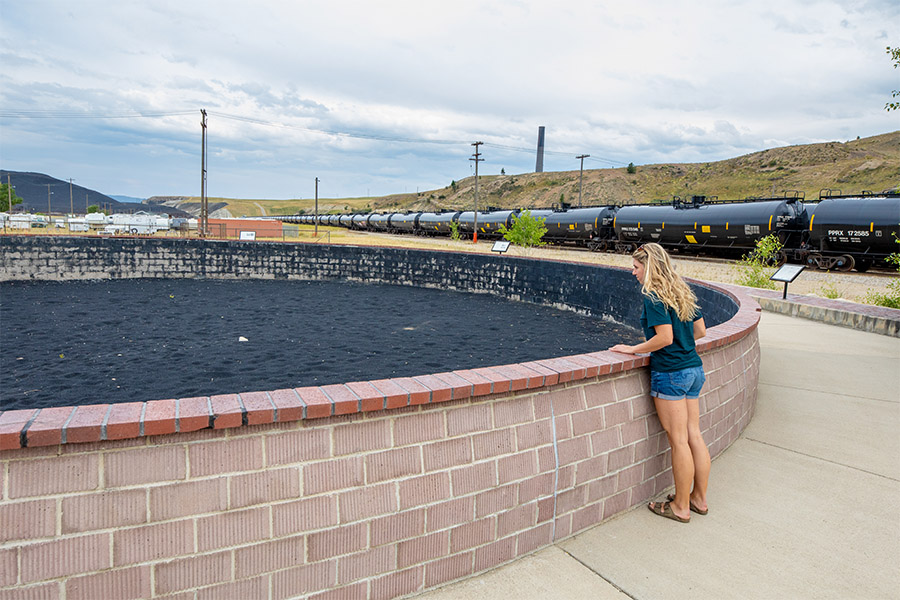
Listed in the National Register of Historic Places, the stack may be viewed and photographed only from a distance. Interpretive signs that detail its history are located in the viewing site near Goodman Park.
Alerts & Closures
Restrictions and Closures
See a current list of Restrictions and Closures on State Parks and other FWP lands that may be affected by floods, fire, drought or major maintenance activities.
Activities
Exhibit
Heritage
History
Photography
Amenities
Some amenities are seasonal. Check with the park for availability.
Interpretive Display
Seasons & Hours
Hours listed below are normal operating hours and may not apply when there is a special restriction or closure. Check Alerts and Closures in the tab below.
How Does FWP Monitor Bat Populations for White-nose Syndrome?
FWP has begun its annual surveillance for Pseudogymnoascus destructans, the fungus that causes white-nose syndrome in bats. This disease has caused devastating declines in bat populations across North America, and it was first detected in Montana in 2021. Since the detection, Montana FWP has begun to see declines in bat populations within the state. Tune in to witness the crucial steps being taken to safeguard our winged night mammals!